
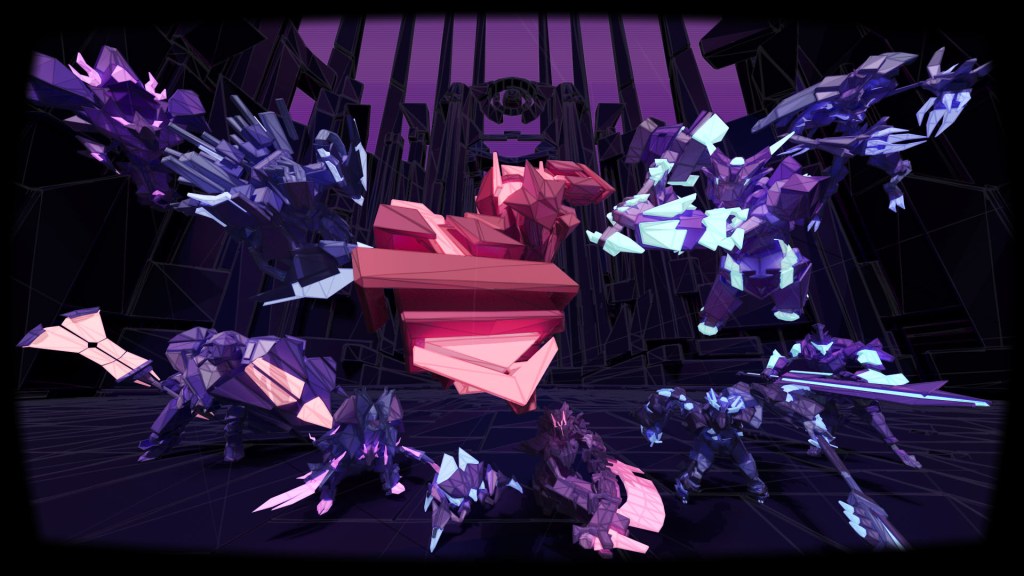
On DESYNC I was the Game Director, Game Designer and Gameplay Programmer.
My work included:
- Creative direction & game design
- Production and management
- Combat encounter design and toolset
- Story and World design
- Enemy design & implementation
- Boss fight design & implementation
- Player arsenal including; Weapons, Core Abilities, Sidearms
- Economy, progression & upgrades
- Gameplay, AI, pathfinding code & Scripting
- All game HUD, UI & post processing effects
- Media, video & promo material
- Community management
- And so much more!
DESYNC is a creative and fast-paced FPS game set within a digital otherworld. Players utilize a feature called “Attack Sequences” that inflicts extra damage and bonus points against their digital foes. In the background, the game tracks every move and action that players make and catalogues them. When certain patterns have been executed, an Attack Sequence is triggered. Attack Sequences can also be Imbued with a “DESYNC” which when used against “SYNCED” enemies, executes a DESYNC, killing the enemy immediately.
DESYNC was published by Adult Swim Games and developed by FOREGONE, a small indie startup that I founded with a fellow alumni. This small team consisted of myself, a system programmer, and an artist. Over time we contracted a sound designer, two music creators, and two level designers.
DESYNC was a formative experience for me as a game designer. Right after completing my bachelor’s degree in games programming, I wasted no time in wanting to put those skills to use and make a game. In only a few months, a friend and I had a working prototype and a game vision and were extremely excited with what the game could become.
We put together a strong pitch and were fortunate to secure development funding from Film Victoria. At the same time, DESYNC was successfully greenlit on Steam’s community-driven Greenlight in only a day of being live. Shortly after that, we were approached by several publishers, and ended up deciding to work with Adult Swim Games.

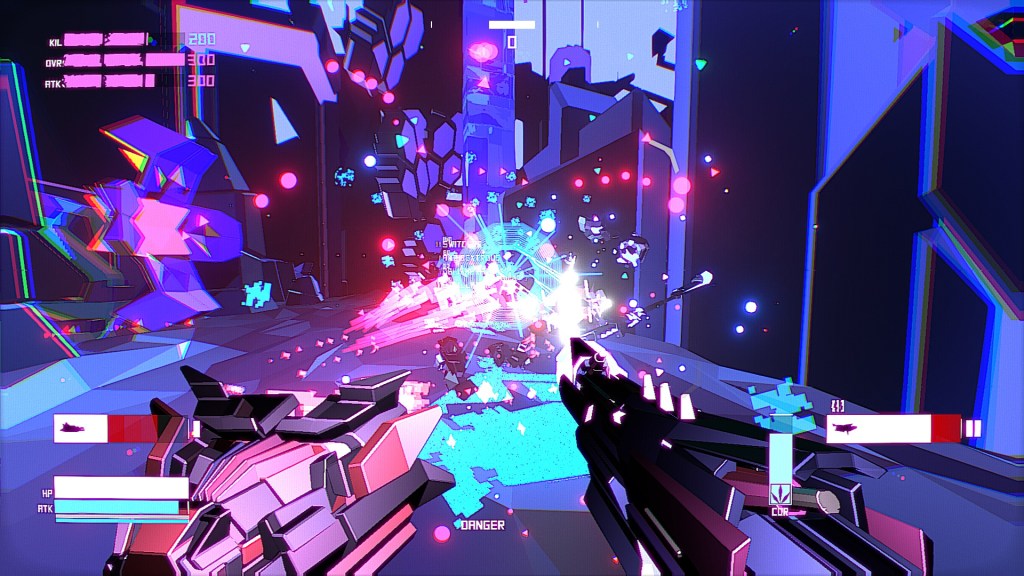
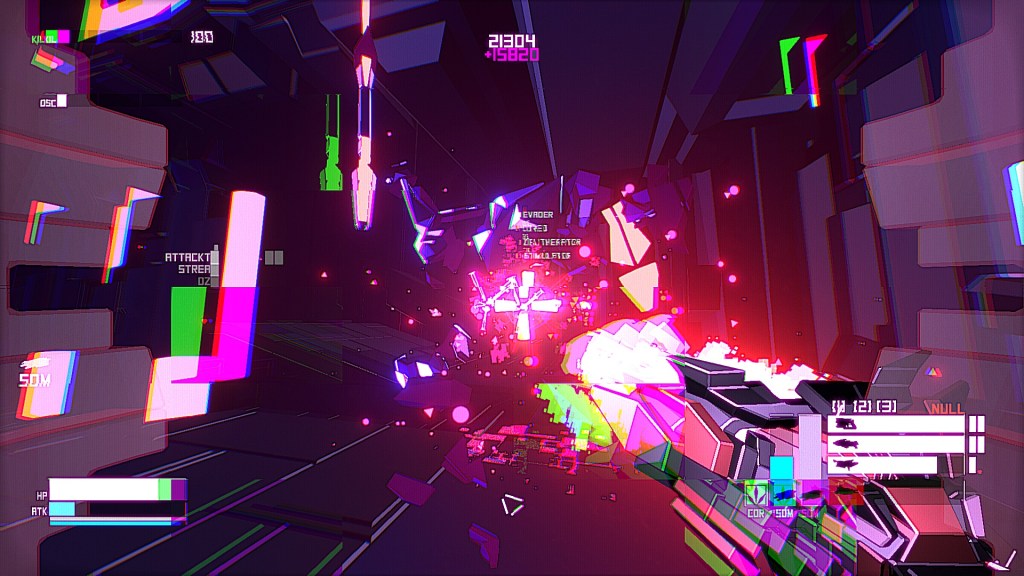

DESYNC was inspired by games that I love, like Quake, Unreal, Dark Messiah of Might and Magic, Warsow, and Painkiller. My original inception of the game was too make a single player arena shooter that enables players to feel how it feels to compete at a top level of 1v1 esports. We did this in many ways, one of which through rewarding players with camera cuts showing them the cool things they just did, and by asking players to perform esports-like actions like Mid-Air shots, Mouse Flicks, and Item Timing.
To further support this, I wanted to introduce plenty of emergent moments, and make players feel like a digital hero. Players have plenty of means to manipulate enemies, push them into traps, fling them into the air, etc. Launch an enemy upward, freeze them in the air, deal with another enemy, then stake the first enemy into a trap. All this is possible and rewarded in the game. This aspect gave the game plenty of replayability as high skilled players chased high scores using the deep score system.


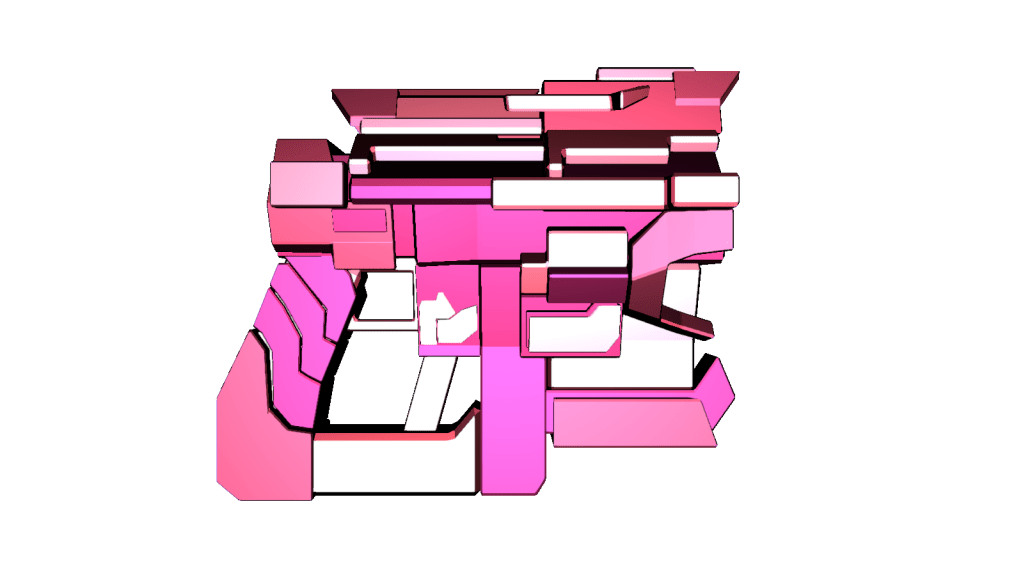
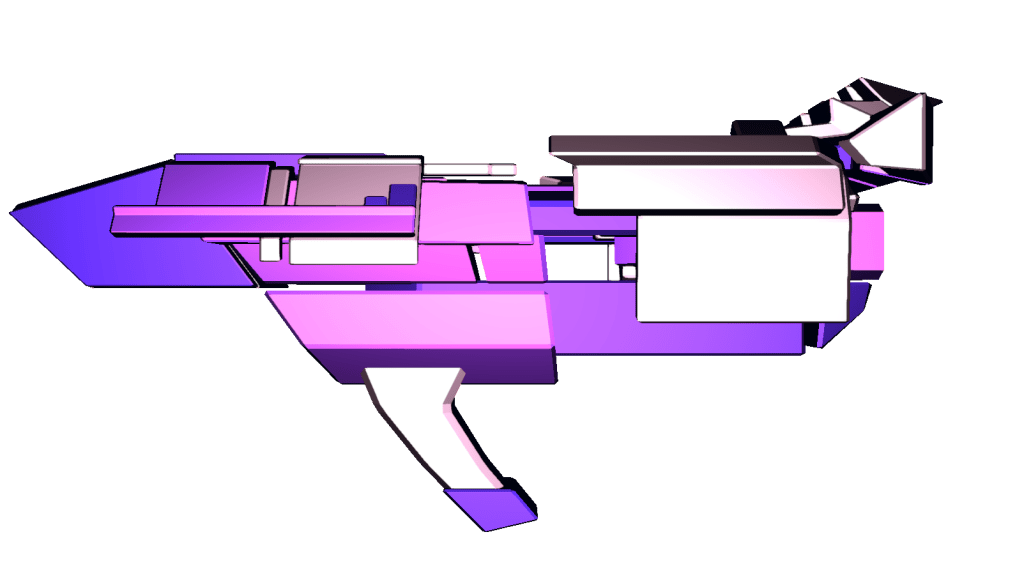
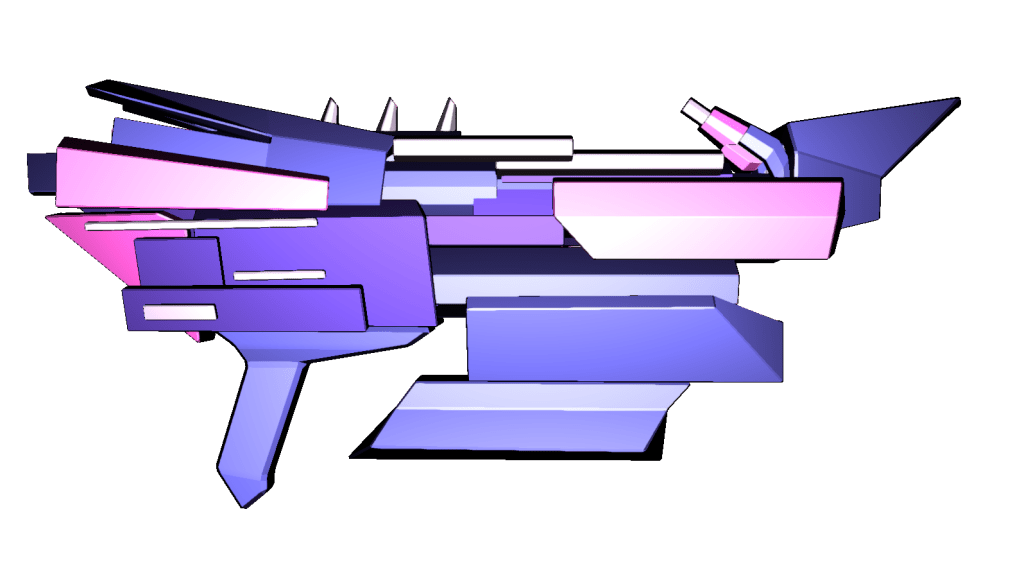
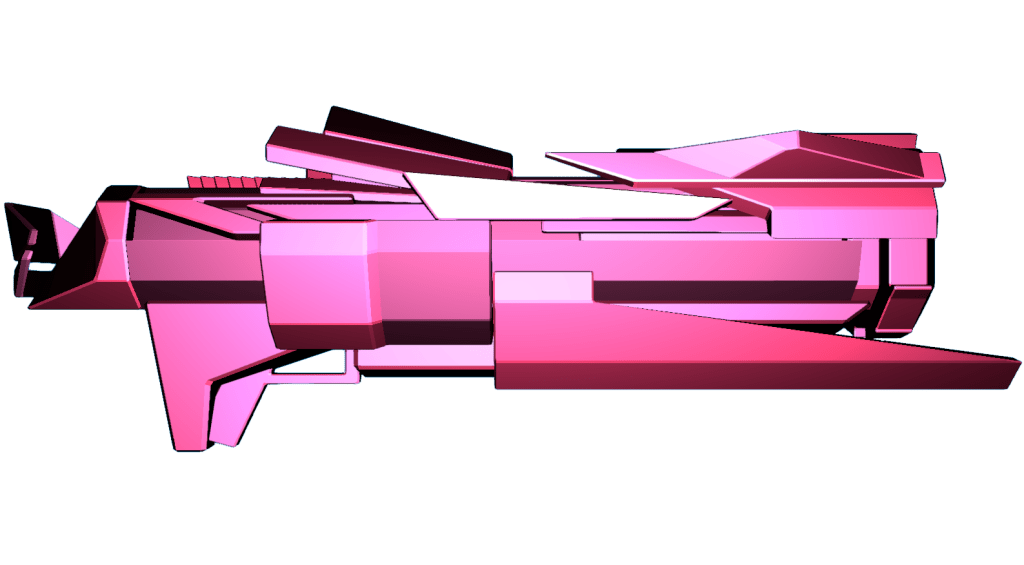
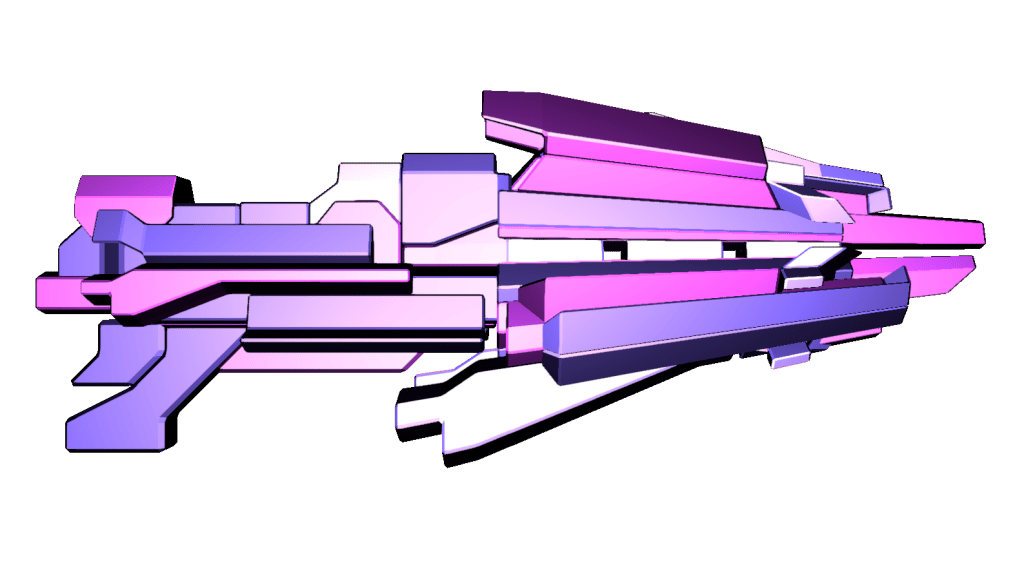
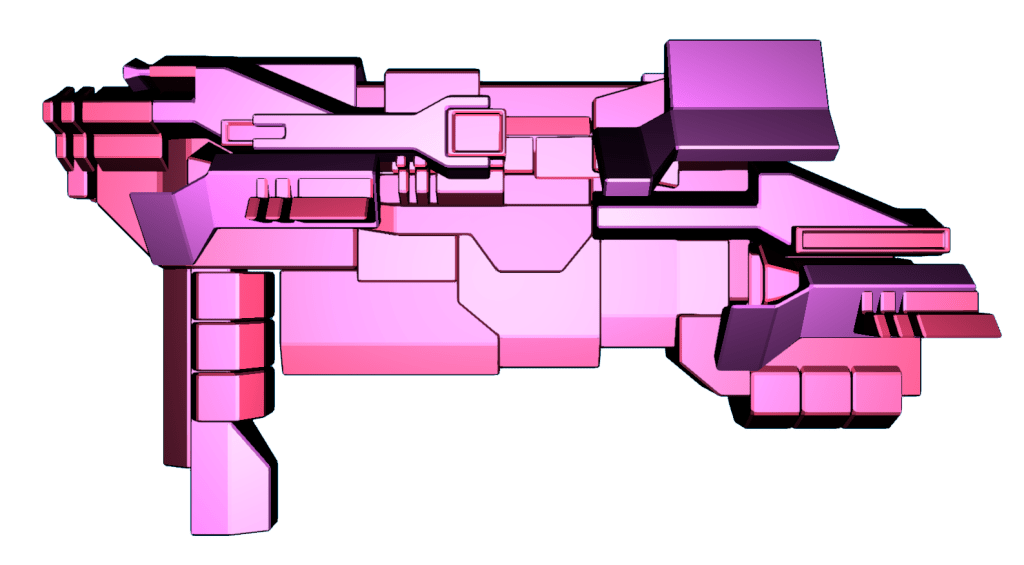
I designed and implemented all of the player’s arsenal (7 Main Weapons, 4 Side-Arms, 12 Active Abilities), and the effects and physical impacts they have on enemies, including launching, staggering, staking, etc. I wrote the explosion and projectile systems for enemies and players. Each weapon and projectile required specific work which was aided through concise base classes.
Weapons in DESYNC were challenging to design for, as each Weapon needed to not only be fun, efficient and useful, but also bring with them a set of Attack Sequences which added exponential amounts of depth to the player’s creativity. My intention was to build a matrix of Weapon combinations and setups and then draw hundreds of Attack Sequences out of them.

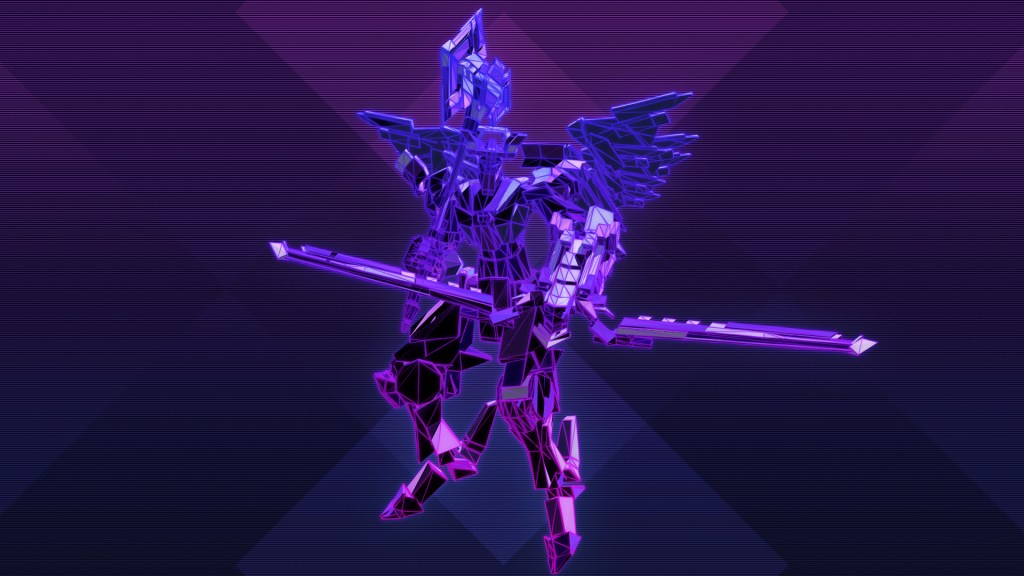
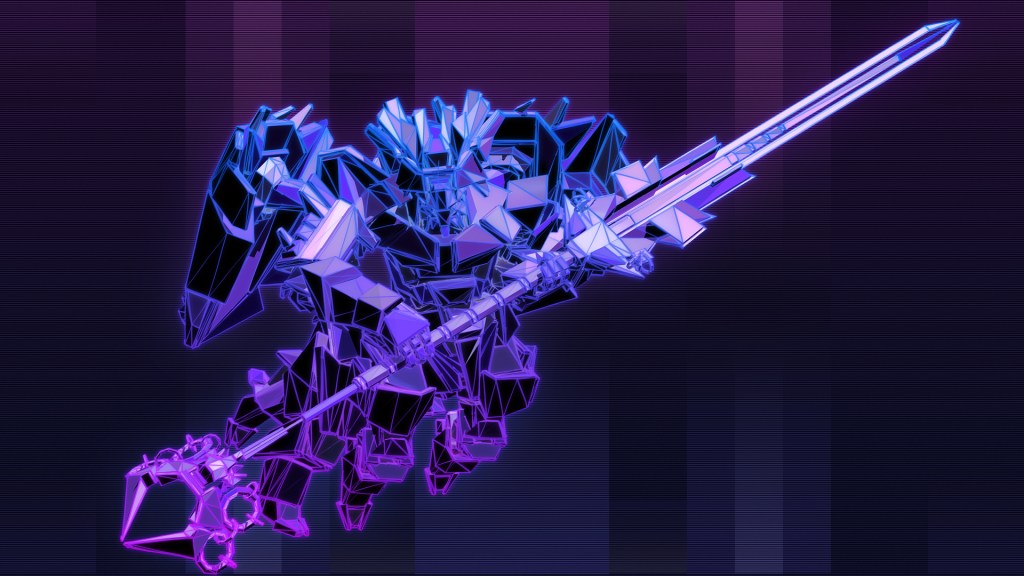
When DESYNC was in development, it was no secret that First Person Shooter boss fights were rarely done well. In most games they were either very boring strafe-fests, or very gimmicky. For DESYNC I was determined to try to make difficult 1v1 boss fights. This proved to be a massive undertaking, as I did not have many references (Dark Souls was a major one at that point) and the AI and art work required was large and bespoke.
DESYNC has since had many reviews that mention how novel and unique the boss fights were for its time.
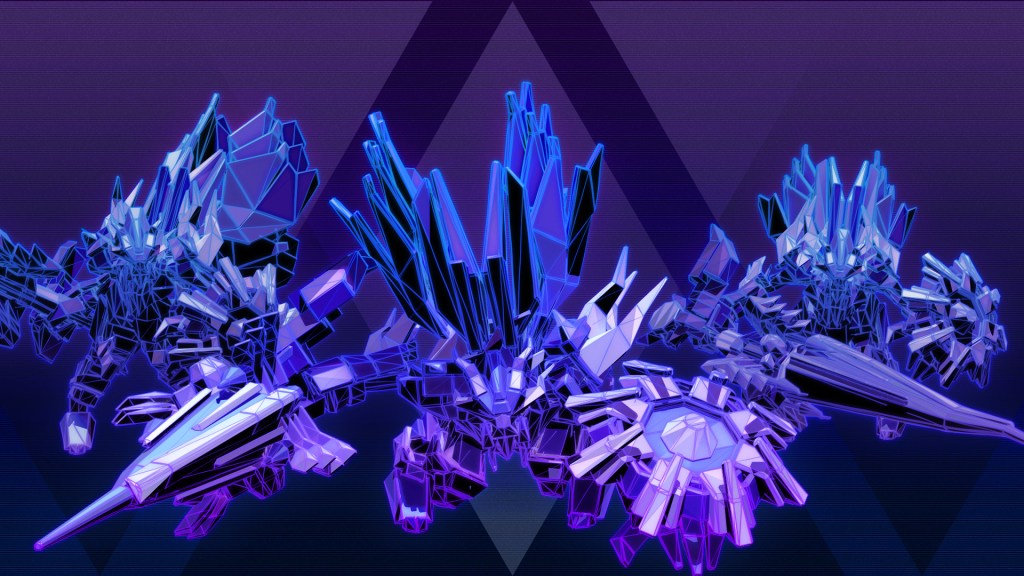

Aberrations are remixes of the base campaign’s levels. They start back to front, have unique graphics, and completely different encounters. Additionally, player’s start with a specific arsenal, and always duel-wield. Mutators also come into play, wherein after each encounter, a new modifier is added to the level, making progression exponentially harder and more complicated.
These levels were important to break up the skill-based intentionality of the base levels, and reward players with unique and crazy challenges that leveraged all of the varied mechanics in the game.

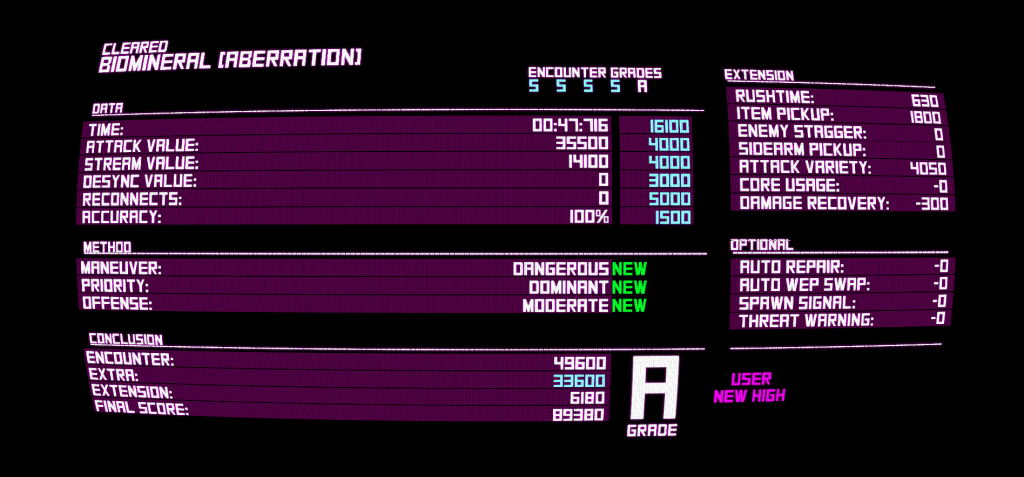
An enormously integral linchpin tying all of the systems together is the scoring system. It was important to me to try to reflect the player’s playstyle in meaningful ways, while also pushing players towards creative gameplay. If you play DESYNC like a standard shooter, you won’t get a great score. If you engage with as many of the system as possible, you’ll find the game much more rewarding.
I tracked things like; the player’s distance to enemies when they get kills, their mouse or controller movements, if they play defensively or aggressively, if they engage with efficiency or with creativity, and much more. This is relayed to the player by giving them a “Maneuver” and “Priority” Styles at the end of each level, such as “Dangerous” “Deliberate” “Defensive”, “Displacing” “Deconstructive” “Dominant”, depending on which game mechanics were favored most.
Lastly, we also express the type of weapons utilized in the level, and rank players as names such as “Ronin” “Hyper” “Drifter” “Technician” and so on. This gives players a lot of ways to project their personality onto the game.

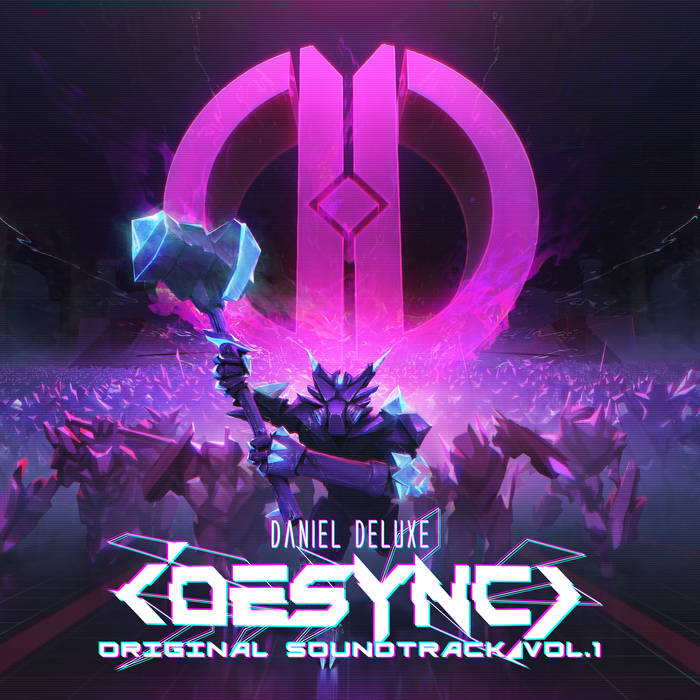
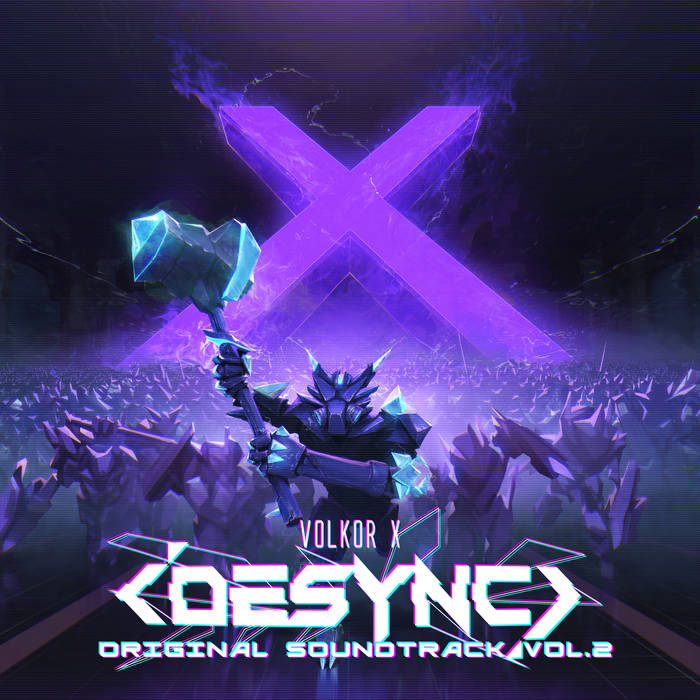
As a huge fan of these artists, I approached Daniel Deluxe and Volkor X to see if they could do the soundtrack for DESYNC. They agreed and we worked on all of the tracks together. Syncing the music with the tone and action of the game was extremely important and the results speak for themselves.
 Sean Gabriel